Budget travel isn't about sacrifice — it's about intentionality. Spend where it matters, save where it doesn't, and stretch your days on the road as far as they'll go.
Regional Cost Comparison
Solo travel costs vary enormously by region. Use this table as a starting reference — actual costs depend on your accommodation style, eating habits, and activity choices.
| Region | Budget/day | Mid-Range/day | Comfort/day | Hostel Dorm | Street Food Meal | Difficulty Solo |
|---|---|---|---|---|---|---|
| Southeast Asia (Thailand, Vietnam, Cambodia) | $20 – 35 | $50 – 80 | $120+ | $6 – 12 | $1 – 3 | Easy |
| South Asia (India, Nepal, Sri Lanka) | $15 – 30 | $40 – 70 | $100+ | $5 – 10 | $1 – 2 | Moderate |
| Central & Eastern Europe | $40 – 65 | $80 – 130 | $200+ | $15 – 25 | $4 – 8 | Easy |
| Western Europe | $65 – 100 | $130 – 200 | $300+ | $25 – 45 | $8 – 15 | Expensive |
| Central & South America | $25 – 50 | $55 – 90 | $150+ | $8 – 18 | $2 – 5 | Easy |
| North America (USA, Canada) | $70 – 110 | $150 – 250 | $350+ | $30 – 55 | $8 – 15 | Expensive |
| East Africa (Kenya, Tanzania) | $50 – 90 | $100 – 200 | $300+ | $12 – 25 | $3 – 6 | Moderate |
| Oceania (Australia, NZ) | $70 – 110 | $150 – 250 | $350+ | $28 – 50 | $10 – 18 | Expensive |
Accommodation Strategies
Accommodation is typically the single largest expense in solo travel. These four strategies can dramatically reduce your costs without sacrificing safety or comfort.
The gold standard for budget solo travel. Book early for popular destinations, choose female-only dorms if preferred, and look for places with high review scores on social atmosphere.
Stay with locals for free and gain priceless cultural insight. Use Couchsurfing, BeWelcome, or Trustroots. Build a complete profile and only contact well-reviewed hosts with recent activity.
Workaway, HelpX, and WWOOF let you work 4–5 hours/day for free accommodation and meals. Perfect for slow travel periods — often leads to the most authentic experiences of any trip.
For stays over 2 weeks, monthly Airbnb, local rental agencies, or Facebook housing groups dramatically reduce the nightly rate — often below hostel prices for a private room or apartment.
Getting Around
Transport is the second biggest budget category — and one where smart decisions compound across an entire trip.
Ryanair, EasyJet, AirAsia, IndiGo, and Cebu Pacific connect major hubs for a fraction of full-service fares. The catch: only travel with carry-on luggage (another reason to pack light). Book 6–8 weeks ahead for best prices, avoid Fridays and Sundays.
Save 50–80% vs. full-service airlinesOvernight trains in Europe (Nightjet), Southeast Asia (Thai Railways, Vietnamese Reunification Express), and India eliminate a night's accommodation cost while covering hundreds of kilometers. Book a couchette or sleeper berth — not the cheapest option, but the most comfortable and safest for solo travelers.
Save 1 night's accommodation + transport combinedFlixBus (Europe), BlaBlaBus, and local bus networks cover routes where trains are expensive or non-existent. In Southeast Asia, tourist buses with AC are comfortable, reliable, and costs $5–15 for journeys taking 4–10 hours. Always book the reputable company — the extra $2 is worth it.
30–60% cheaper than equivalent train routesBlaBlaCar (Europe, some Asia) connects drivers with empty seats to passengers heading the same direction. Prices are dramatically lower than trains. In cities, shared taxis (collectivos in Latin America, songthaews in Thailand) follow fixed routes at fixed low prices.
60–75% cheaper than solo taxi hireThe cheapest transport is your own two feet — and solo travelers who walk discover neighborhoods, street food, and moments that those in taxis and buses completely miss. Set a daily step goal and explore without a plan some mornings. The best discoveries are rarely on Google Maps.
Free — and generates the best travel memoriesEating Well for Less
Food is one of the great joys of travel — and one of the easiest places to overspend or underspend. Here's how to eat well and cheaply.
The best meals at the lowest prices are always found at local markets and street stalls. Follow the lunchtime crowds — packed stalls with high turnover mean fresh, safe food and authentic local recipes. A full meal for $1–4 is the rule in most of Asia, Africa, and Latin America.
Access to a kitchen — common in hostels and monthly rentals — can cut food costs by 60–70%. Buy breakfast ingredients at a local supermarket: yogurt, fruit, bread, and eggs cost a fraction of café prices. Save restaurants for special experiences, not daily eating.
Across Europe and Latin America, restaurants offer a menú del día (set lunch menu) with multiple courses, bread, and a drink for $8–15 — far below what the same dishes cost at dinner. Eat your main meal at lunch instead of dinner to access these deals daily.
Buying bottled water adds up to $3–5 per day — $1,000+ on a year-long trip. A filtered water bottle (LifeStraw, Grayl) lets you refill from taps worldwide safely. Where tap water is unsafe, hostels and guesthouses often have large jugs for guests.
Bars and restaurants across the world offer happy hour deals (typically 4–7pm) with half-price drinks and discounted appetizers. In tourist areas, look for early-bird dinner specials before 6pm. Apps like TheFork (Europe) offer restaurant discounts.
The "Too Good To Go" app operates in 17+ countries and sells restaurant and bakery surplus food for 30–70% off at closing time. An excellent way to enjoy high-quality food at street food prices in expensive Western European cities.
Free Activities
The world's greatest cultural experiences are often free — and the best free activities tend to be the most memorable ones. Many of the world's top museums have permanent free admission, while others offer free days weekly or monthly.
Free walking tours operate in virtually every major city worldwide. They're pay-what-you-wish (tip your guide generously — they're excellent!), last 2–3 hours, and introduce you to fellow solo travelers as well as the city itself. They're the single best first-day activity in any new city.
Cultural Immersion
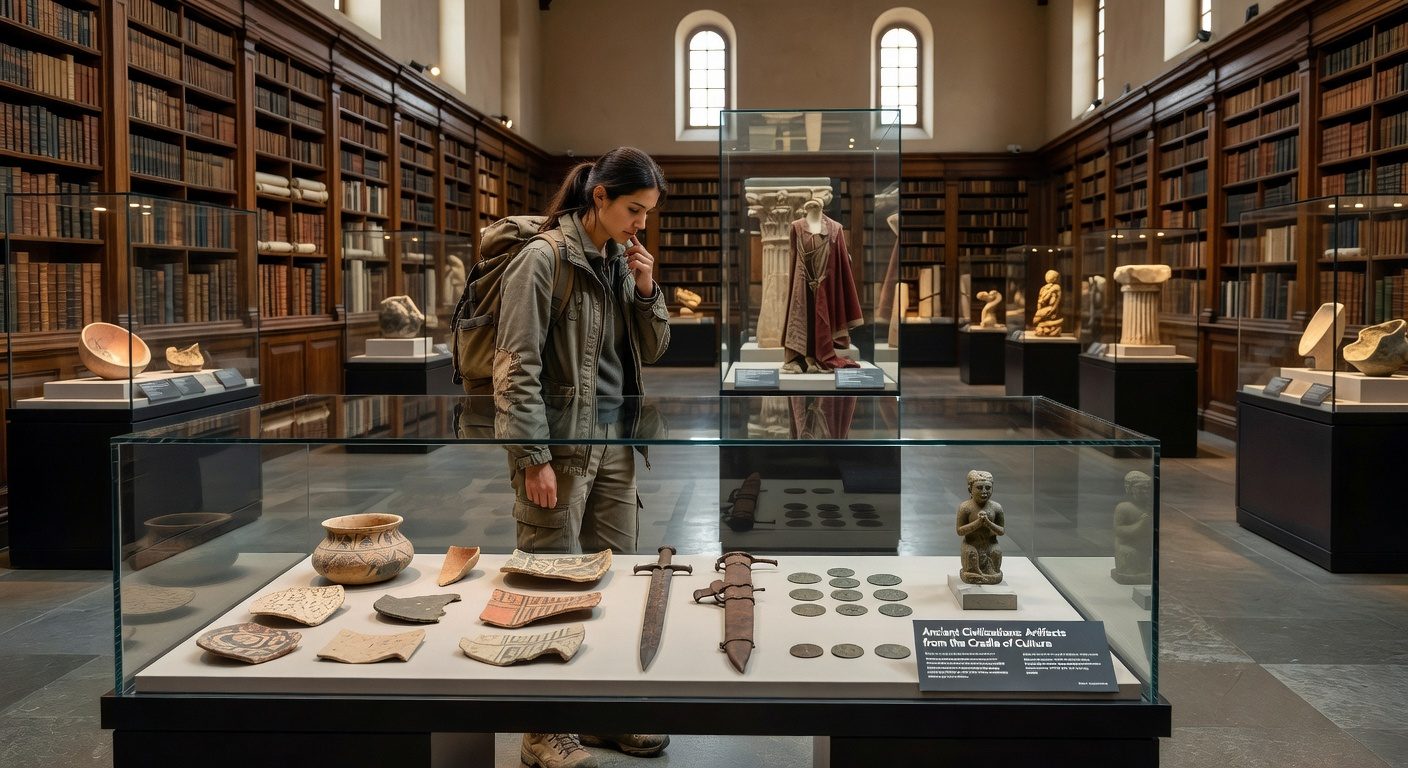
Some of the world's most significant archaeological sites are either free or deeply affordable. Ancient ruins, temples, and historic districts require only your presence and curiosity — no guided tour necessary.
The world's archaeological wealth is staggering when you travel slowly and seek it out. Many UNESCO World Heritage Sites across Greece, Turkey, India, Mexico, and Jordan have nominal or free entry fees — yet offer experiences that eclipse anything money can buy.
Money Management
Managing your money efficiently abroad can save hundreds over a long trip. The right cards and habits make a significant difference.
Tracking & Apps
The right app makes budget tracking effortless. Here are the three best apps used by experienced solo travelers worldwide.
Beautifully simple daily budget tracker. Set a daily budget, log expenses in seconds, and see at a glance whether you're on track. Color-coded visual feedback keeps you honest. Ideal for daily expense logging on the road.
Designed specifically for travelers, TravelSpend handles multi-currency automatically using live exchange rates. Log expenses in local currency and see your totals in your home currency in real time. Export reports at trip end for budgeting future trips.
For those periods of your solo trip where you join up with other travelers for a hostel room, a day trip, or a shared rental. Splitwise tracks shared expenses and calculates who owes what, eliminating awkward money conversations entirely.
Sample Budgets
What does a realistic daily budget actually look like broken down? Here are three real-world examples for Southeast Asia — the world's most popular solo travel region.
Backpacker — Southeast Asia
Comfortable — Mixed Europe
Premium — Western Europe
The Slow Travel Method
Slow travel — spending weeks or months in fewer places rather than rushing through many — is the single most powerful cost-reduction strategy in long-term solo travel.
average cost reduction when monthly renting vs. nightly hostel
of transport costs eliminated by staying in one place
deeper cultural connections reported by slow travelers vs. fast travelers
cost of the best experiences: cooking for locals, learning language, joining community events