Travel Safe,
Travel Smart.
Knowledge is your greatest safety tool. Our comprehensive safety guides help solo travelers stay aware, prepared, and confident in any environment.
Six Key Areas
Safety Categories
Comprehensive coverage across all dimensions of solo travel safety — from before you leave home to navigating emergencies abroad.
Pre-Trip Research
Know your destination deeply before you arrive. Research reduces risk dramatically.
- Government travel advisories
- Local laws and customs
- Scam awareness by region
- Health and vaccination requirements
Accommodation Safety
Your room is your sanctuary. Know how to choose and secure it properly.
- Vetting hotels and hostels
- Room security checks
- Safe neighborhoods vs. avoid areas
- Airbnb safety best practices
Transportation
Getting around safely is as important as your destination itself.
- Rideshare safety protocols
- Overnight train and bus safety
- Avoiding unlicensed taxis
- Airport arrival safety
Stay Connected
Maintain meaningful contact with the people who care about your safety.
- Setting up a check-in system
- International SIM and data plans
- Emergency contact protocols
- Offline maps and apps
Emergency Preparedness
Hope for the best, prepare for anything. Know what to do before you need to.
- Travel insurance essentials
- Embassy and consulate contacts
- Lost passport protocol
- Medical emergency procedures
Health & Wellness
Your physical and mental health are your most valuable travel assets.
- Travel vaccinations and medications
- Food and water safety by region
- Mental health while solo traveling
- Managing jet lag and fatigue
In-Depth Tips
Detailed Safety Guidance
Expand each category to read actionable, specific advice gathered from thousands of hours of solo travel experience across six continents.
Click any topic to expand detailed guidance.
Arriving in a new city safely
The first hours in a new destination are when you're most vulnerable. Here's how to arrive with confidence:
- Book daytime arrivals whenever possible — navigating at night in an unfamiliar city increases risk
- Pre-download offline maps (Maps.me or Google Maps offline) before your flight lands
- Know the name and address of your accommodation in the local language
- Use only licensed, metered taxis or pre-booked rideshares from the airport
- Keep your documents and cash in a money belt, not your backpack, during transit
Protecting your valuables
Smart asset management keeps your trip running even if something goes wrong:
- Never keep all your money in one place — split cash, cards, and emergency funds
- Use a money belt or hidden pouch for passports and primary cards while sightseeing
- Keep digital copies of all documents in an encrypted cloud folder
- Leave your best camera at home on high-risk destination days; a phone photo beats losing a $2000 lens
- Use a luggage lock and anti-theft bag when in crowded tourist areas
Staying aware in public spaces
Situational awareness is a skill you develop over time:
- Walk with purpose — confident body language deters opportunistic theft
- Avoid consulting your phone map in the middle of busy streets; step to the side
- Learn the local scam patterns before arriving — taxi scams, false guides, and overcharging are destination-specific
- Trust your gut. If a situation feels uncomfortable, leave without explaining
- Keep headphone volume low or use just one earbud in crowded areas
Sharing your location safely
Location sharing is a nuanced skill for solo travelers:
- Share your daily itinerary with a trusted contact via email or shared Google doc
- Check in daily — a simple text "I'm fine, in Lisbon" takes 10 seconds and gives peace of mind
- Use Find My Friends or Google Maps real-time sharing for high-risk activities like hiking solo
- Avoid broadcasting your real-time location on public social media while actively traveling
Digital security while traveling
Your devices hold your identity, finances, and plans:
- Use a VPN on all public Wi-Fi networks without exception
- Enable two-factor authentication on email, banking, and social media before departure
- Never access online banking on hostel computers or public terminals
- Set a PIN on your SIM card to prevent use if stolen
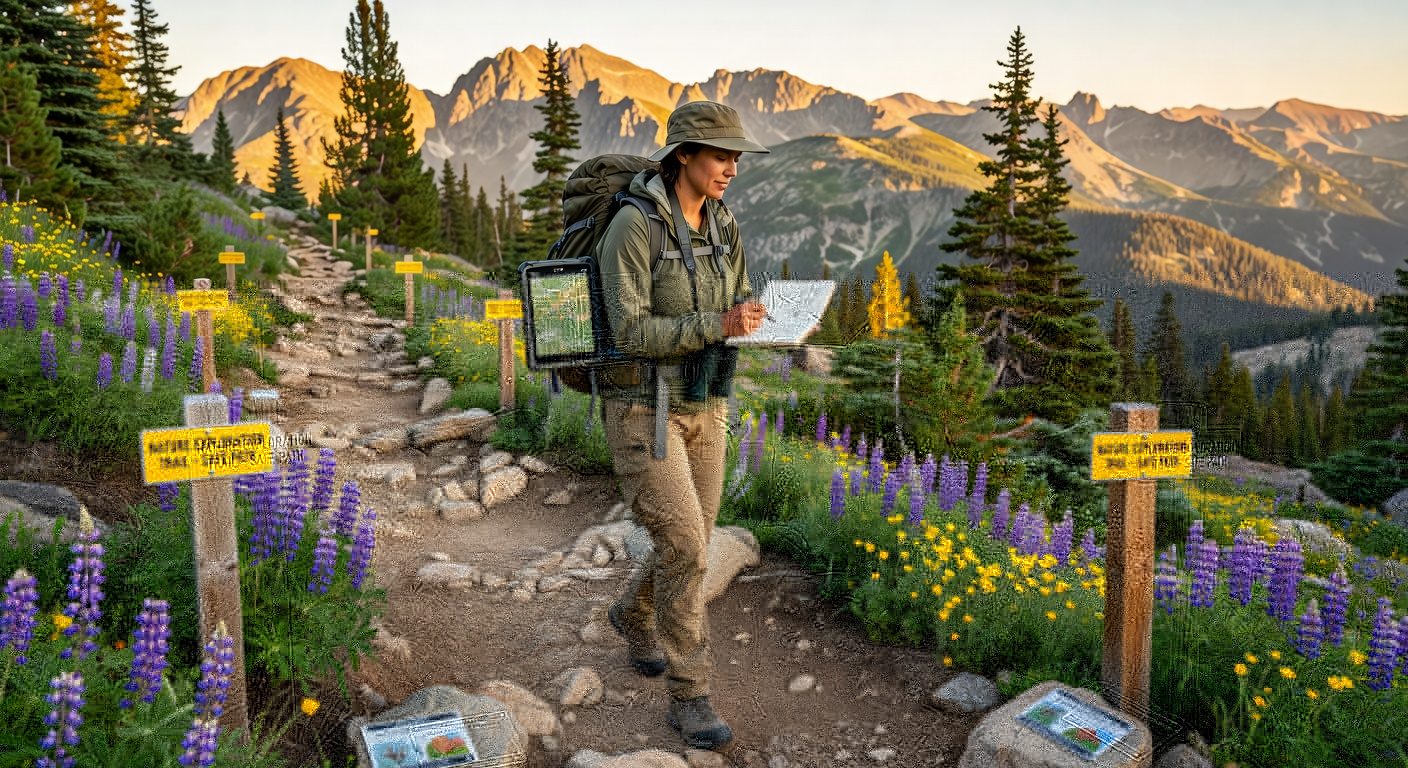
Free Resource
The Solo Traveler Safety Checklist
Download our comprehensive pre-trip safety checklist — used by over 12,000 solo travelers to prepare for every journey with confidence.
Before You Leave
- Travel insurance purchased and documented
- Passport valid for 6+ months beyond travel dates
- Embassy contact info saved offline
- Emergency contacts briefed on your itinerary
- Copies of all documents stored in cloud
At Your Destination
- Local emergency number confirmed (not always 911)
- Nearest hospital to accommodation noted
- Accommodation address saved in local language
- Local SIM or international plan activated
Remember
Safety Is About Preparation, Not Fear
The vast majority of solo travel experiences are positive and life-affirming. The goal of safety preparation isn't to create anxiety — it's to build the confidence to explore freely, knowing you have a plan for whatever arises.
Most experienced solo travelers report feeling safer abroad than they expected, largely because preparation replaced their fear with awareness.
"The world is much safer than the news would have you believe. Prepare wisely, then go with wonder."
— Training Study Center Editorial Team
Be Prepared
Emergency Contact Template
Save these categories of contacts before every trip. Customize with your specific destination details.
Local Emergency
Police: [Local number]
Ambulance: [Local number]
Fire: [Local number]
Tourist Police: [If applicable]
Your Embassy
Address: [Embassy address]
Phone: [24hr emergency line]
After-hours: [Emergency number]
Website: [embassy site]
Insurance
Provider: [Your insurer]
Policy #: [Your number]
24hr Claims: [Phone number]
App: [If applicable]
Personal Contacts
Primary: [Name + number]
Secondary: [Name + number]
Home Doctor: [Number]
Bank: [Int'l number]
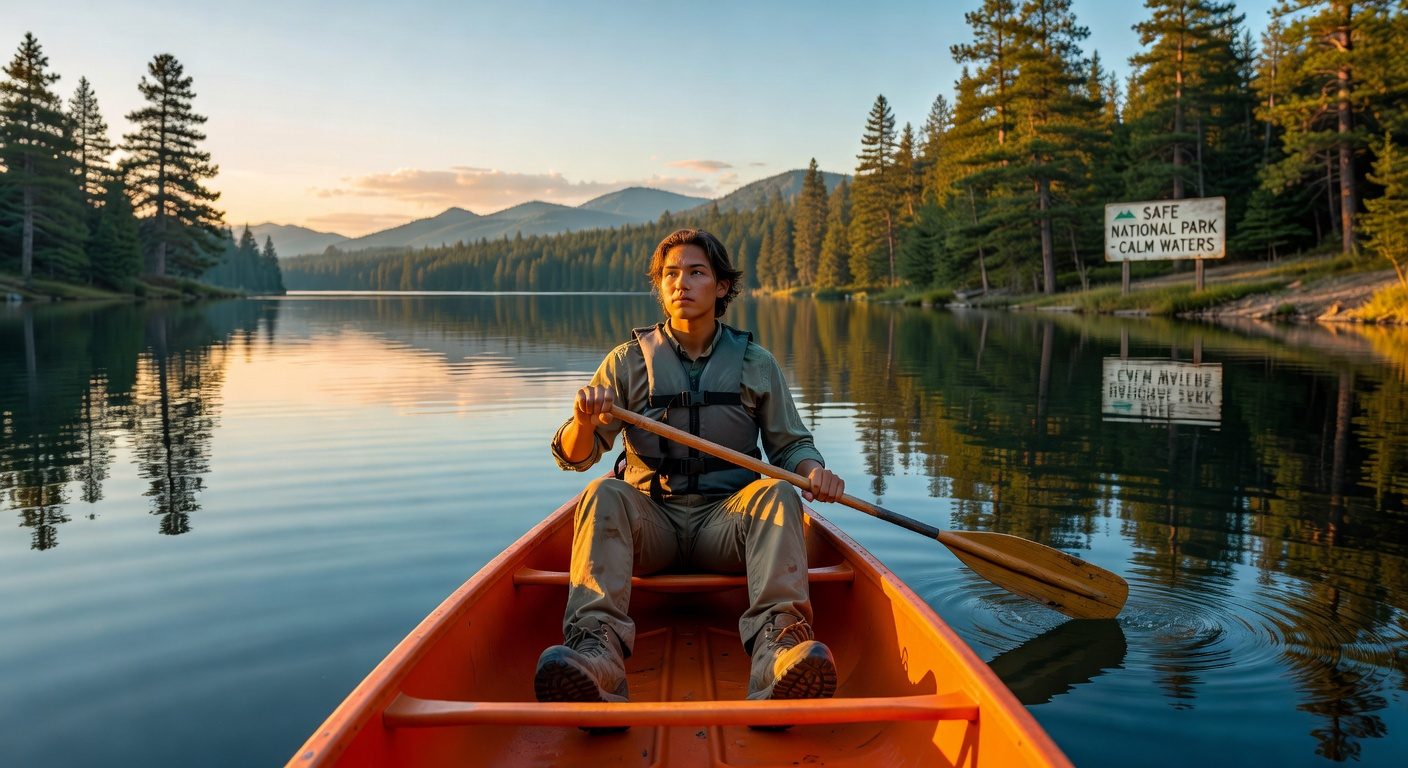
Water Activities
Water & Adventure Activity Safety
Solo travel often includes thrilling water and outdoor activities. A few simple precautions keep adventure fun and safe.
- Always wear a certified life jacket when boating, kayaking, or rafting — regardless of your swimming ability
- Book adventure activities through established operators with visible safety certifications
- Tell someone on land your planned route and expected return time before any water excursion
- Check weather forecasts and ask locals about current conditions before heading out
- Keep a waterproof bag with your phone, emergency cash, and a whistle
- Avoid alcohol before water activities — this accounts for a disproportionate number of travel accidents
- Confirm your travel insurance covers the specific activity you're doing